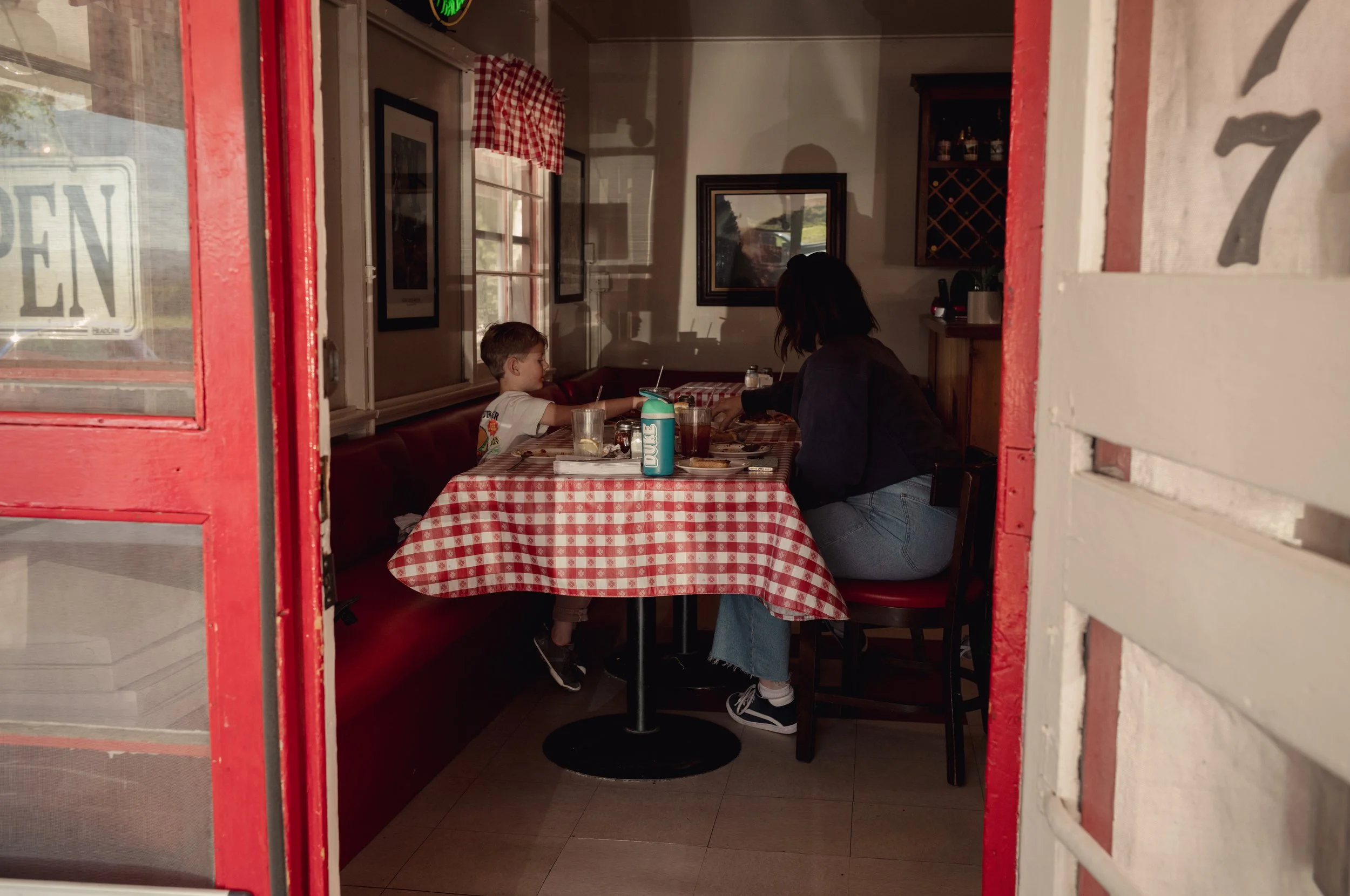
A Table for Two
A table for two sounds smaller than it is.
We talk a lot about manners like they’re a checklist.
Say please.
Say thank you.
Look up when someone speaks.
And those things matter.
But underneath all of it, there’s a quieter lesson that doesn’t translate well into instruction.
How to be present with another person.
And more than that—how to consider them.
We take them on dates.
Not in any formal sense. Nothing elaborate or scheduled.
Just small pockets of time where the attention shifts.
Sometimes it’s big.
A hockey game with their dad, loud and fast and full of things to look at so no one has to carry the conversation too hard.
An afternoon painting pottery, where the pace slows whether you like it or not.
Sometimes it’s smaller.
Ice cream that melts faster than they can eat it.
A drive down to the fish shack by the water, where the food comes out in paper trays and everything tastes a little like salt and sunscreen.
And sometimes, it’s just a table.
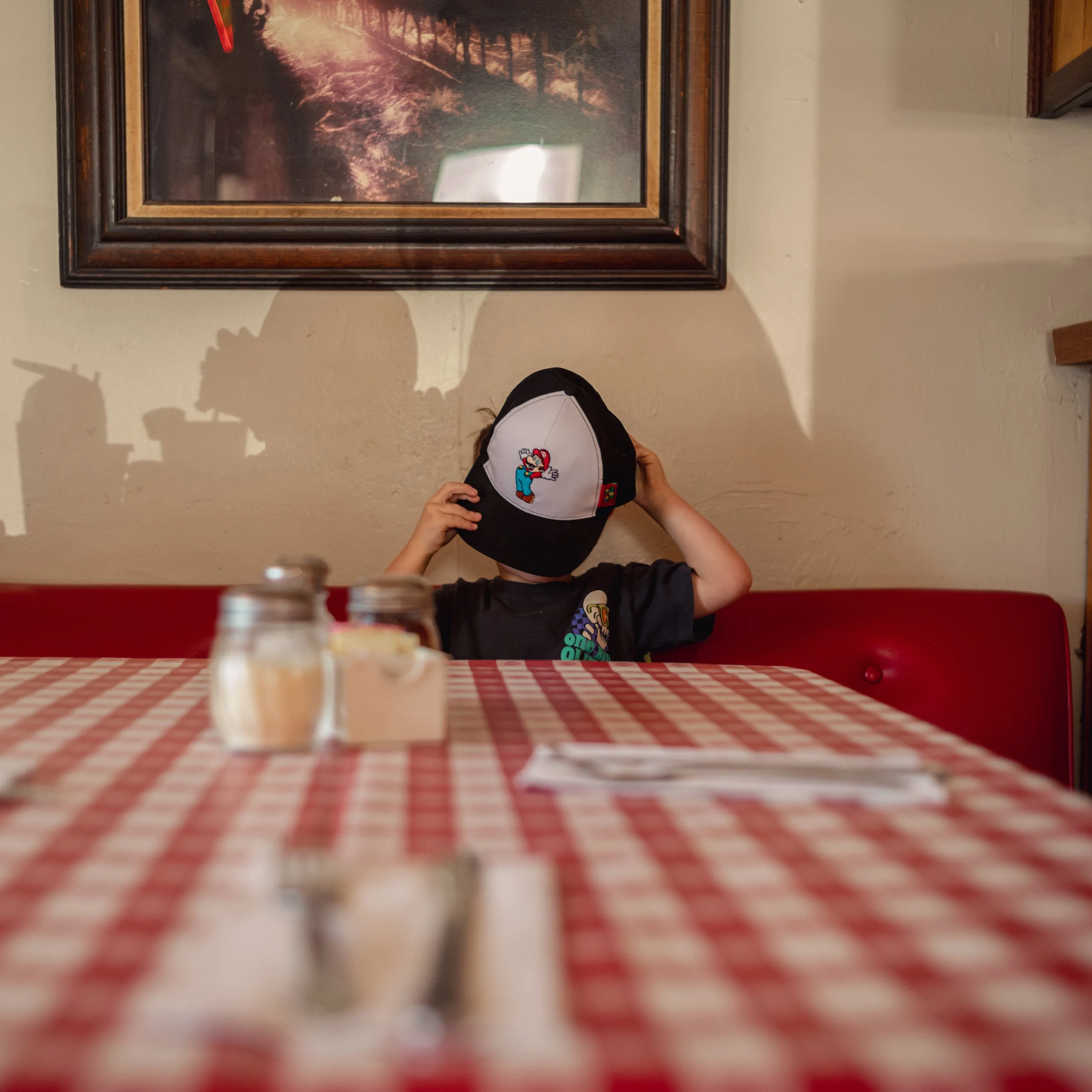
I remember sitting across from one of them, not that long ago.
He had already finished eating.
I was still halfway through mine.
And you could see it—the pull to get up, to move, to go find something else more interesting than sitting there with me.
He shifted.
Looked past me.
Started to slide out of the booth.
“Sit,” I said, not sharp, just steady.
Not as a command. As a reminder.
Stay with me.
The details change depending on the child.
That’s part of the point.
Because what we’re really trying to teach them is not just how to sit across from someone—
but how to think about the person sitting there.
What they might enjoy.
What would make them feel seen.
What kind of time would feel like it was chosen for them.
From the outside, it can look like a simple outing.
But for a child, it’s a kind of practice.
To stay in the conversation.
To listen when they’d rather talk.
To ask questions that aren’t about themselves.
To resist the quiet urge to leave the moment the second it stops entertaining them.
We don’t give speeches about this.
We’re not raising diplomats.
We just keep showing up.
Different tables. Different days. Different children.
Letting them feel the weight of it in real time.
And slowly, over time, they begin to understand something we could never quite put into words:
That being with someone is one thing.
But learning how to be for them—
to sit, to stay, to pay attention even when it would be easier not to—
is a skill.
And like anything worth having,
it’s learned the slow way.
Across a table,
long after they’ve finished eating.